Thursday 19 Nov, 2026
Metro53 - LAHORE(Web Desk) Pakistan’s preferential trade access to the European Union under the Generalized Scheme of Preferences Plus
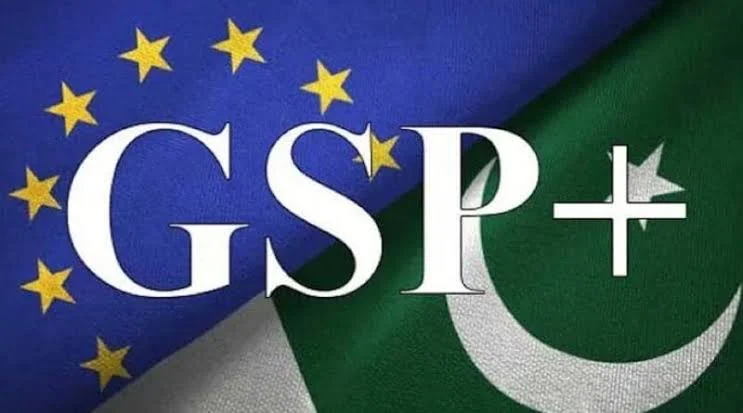
(GSP+) has played a significant role in expanding exports, supporting businesses and generating employment. However, the potential loss of this status could expose Pakistani exporters to higher tariffs, weaken their competitiveness and put thousands of jobs at risk.
Exports to EU More Than Double
Pakistan’s exports to the European Union increased from €3.56 billion in 2013 to €8.33 billion in 2024 following the introduction of GSP+ benefits. The preferential trade arrangement has strengthened Pakistan’s export base by providing duty-free access to European markets for eligible products.
The scheme has enabled Pakistani businesses to offer more competitive prices, attract international buyers and expand their presence in European markets. Pakistani exporters received an estimated €732 million in tariff exemptions in 2024 alone, highlighting the financial benefits of the arrangement.
SMEs and Export Industries Benefit
Small and medium-sized enterprises (SMEs) in industrial centers, including Faisalabad, Sialkot and Karachi, have also benefited from increased export orders and improved access to international supply chains.
The textile, garments, leather and sports goods industries have been among the major beneficiaries. Their expansion has created employment opportunities, supported household incomes and provided business opportunities for manufacturers, suppliers and workers associated with export-oriented industries.
Higher Tariffs Could Hurt Pakistani Exports
The termination or non-renewal of Pakistan’s GSP+ status could significantly increase the cost of exporting eligible products to European markets.
Pakistani exporters could face additional customs duties of approximately 9 to 12 per cent on products currently receiving preferential access. Higher tariffs would make Pakistani goods more expensive for European buyers and weaken their price competitiveness against suppliers from other countries.
A loss of preferential access could also lead to declining export orders, reduced profit margins and business contraction. Smaller manufacturers, daily-wage workers and households dependent on export industries would be particularly vulnerable to the economic consequences.
Factory closures and job losses could further affect communities linked to the textile, leather and manufacturing sectors. A decline in exports could also reduce foreign exchange earnings and add pressure to Pakistan’s broader economic position.
Indian Lobbying Aainst Pakistan’s GSP+ Status
Meanwhile, concerns have been raised over lobbying efforts linked to India seeking a review of Pakistan’s preferential trade arrangements with the European Union.
Indian-linked organizations and lobbying networks, utilizing international forums and other means, have historically approached European institutions, calling for a review or withdrawal of Pakistan’s GSP+ privileges.
Organizations associated with India-Europe trade advocacy have also raised demands for the withdrawal of Pakistan’s preferential trade benefits, seeking to build support within European policy circles.
Any successful effort to end Pakistan’s GSP+ status could have significant economic implications, particularly for export-oriented industries that rely on access to European markets.
The trade arrangement remains an important source of export growth, industrial activity and employment for Pakistan, making its continuation a major economic concern for the country’s business community.