Metro53 - Jhelum (Web Desk) – Despite the end of the first dekade and the beginning of the second dekade of Ramadan, food and grocery prices in Jhelum and surrounding areas have shown little to no relief. Citizens report that even with the official price lists issued by the administration, shopkeepers continue to charge higher rates, adding to the financial burden on the common people.
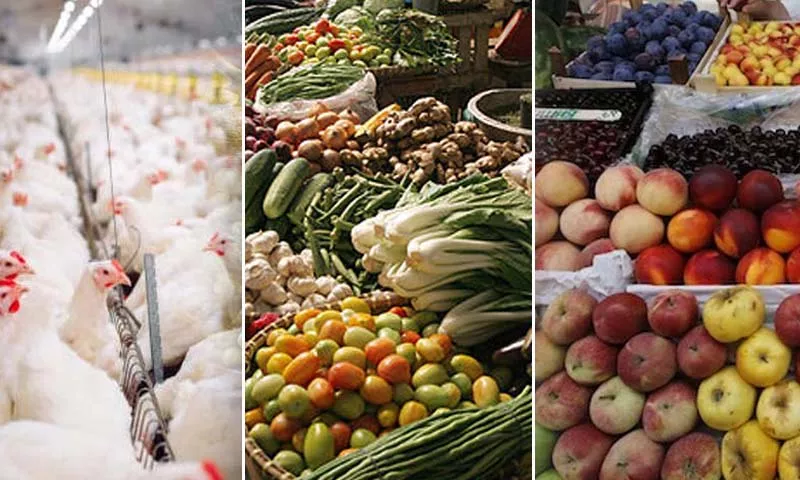
The district administration had set rates for essential commodities at the start of Ramadan to provide relief. However, citizens claim shopkeepers are ignoring these rates. For example, bananas are officially priced at PKR 250 per dozen but are being sold for PKR 350 per dozen in markets. Similarly, apples are priced at PKR 500 per kilogram, goat meat at PKR 2200 per kilogram, and beef at PKR 1200 per kilogram, making it difficult for average households to afford basic needs. Other fruits and vegetables reportedly show similar price discrepancies.
Price Control and Monitoring Concerns
Questions have been raised regarding the performance of price control magistrates. Citizens argue that regular market monitoring and strict fines could control overpricing. Current trends indicate that government orders are not being fully implemented. Experts note that higher demand during Ramadan is natural, but hoarding and profiteering contribute to abnormal price hikes, highlighting the need for effective monitoring mechanisms.
Public Response and Demands
Residents have expressed that rising prices are making it difficult to purchase essential items for iftar. Middle and low-income families are particularly affected. Social circles and citizens have urged Maryam Nawaz, Chief Minister of Punjab, and other officials to take practical measures against overpricing. They demand strict enforcement of official rates and action against profiteers to provide real relief to the public.
Overall, the continued inflation in Jhelum during the second dekade of Ramadan points to administrative challenges, calling for a coordinated strategy and continuous market surveillance.